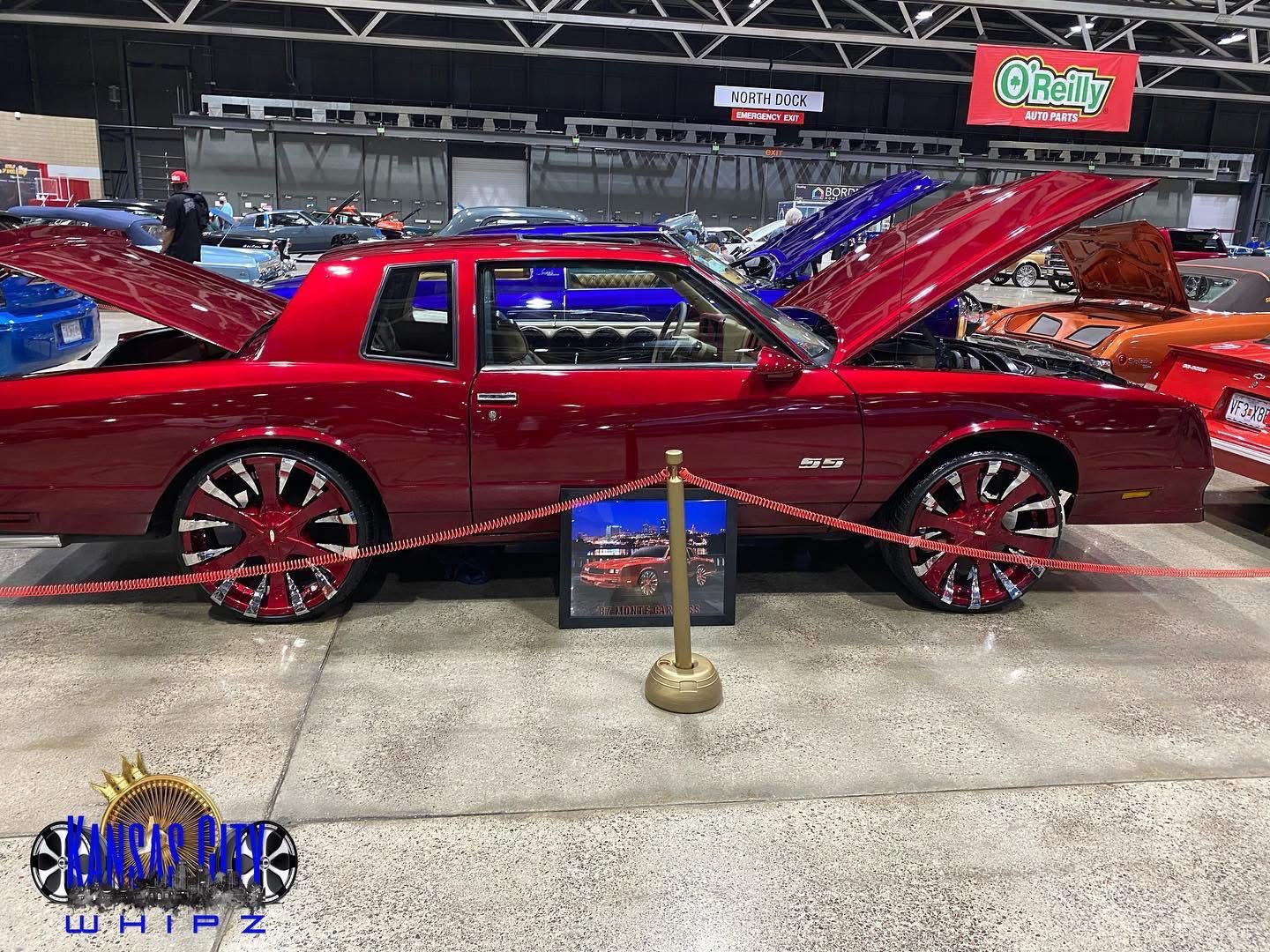
This nameplate first appeared for the 1970 model year as Chevrolet’s entry in the personal-luxury coupe market. The original car was a stylish two-door built on Chevrolet’s intermediate-platform roots, aimed at buyers who wanted more presence and comfort than a mainstream midsize coupe without moving up to a full-size luxury car. Through the 1970s, it evolved from its early clean-lined form into a more formal, heavier-looking coupe, and it became especially well known in performance-oriented and NASCAR-related circles. In the 1980s, the nameplate continued on Chevrolet’s G-body rear-wheel-drive platform and gained lasting enthusiast interest through the SS and Aerocoupe variants, which tied the car more closely to stock-car racing and helped define its image well beyond ordinary personal transportation. Chevrolet discontinued the original rear-drive version after the 1988 model year.
The name returned for the 1995 model year on a front-wheel-drive W-body coupe, sharing its basic corporate architecture with other contemporary Chevrolet cars but keeping the Monte Carlo badge and its two-door layout. That revival shifted the car’s role from classic personal luxury coupe to a more modern midsize coupe with a strong V6 emphasis and an ongoing connection to NASCAR through Chevrolet’s racing program. A major redesign arrived for the 2000 model year, and the final generation later added performance-oriented SS models that restored some of the nameplate’s old muscle-car appeal. Production ended after the 2007 model year, closing out one of Chevrolet’s longest-running and most recognizable coupe nameplates.