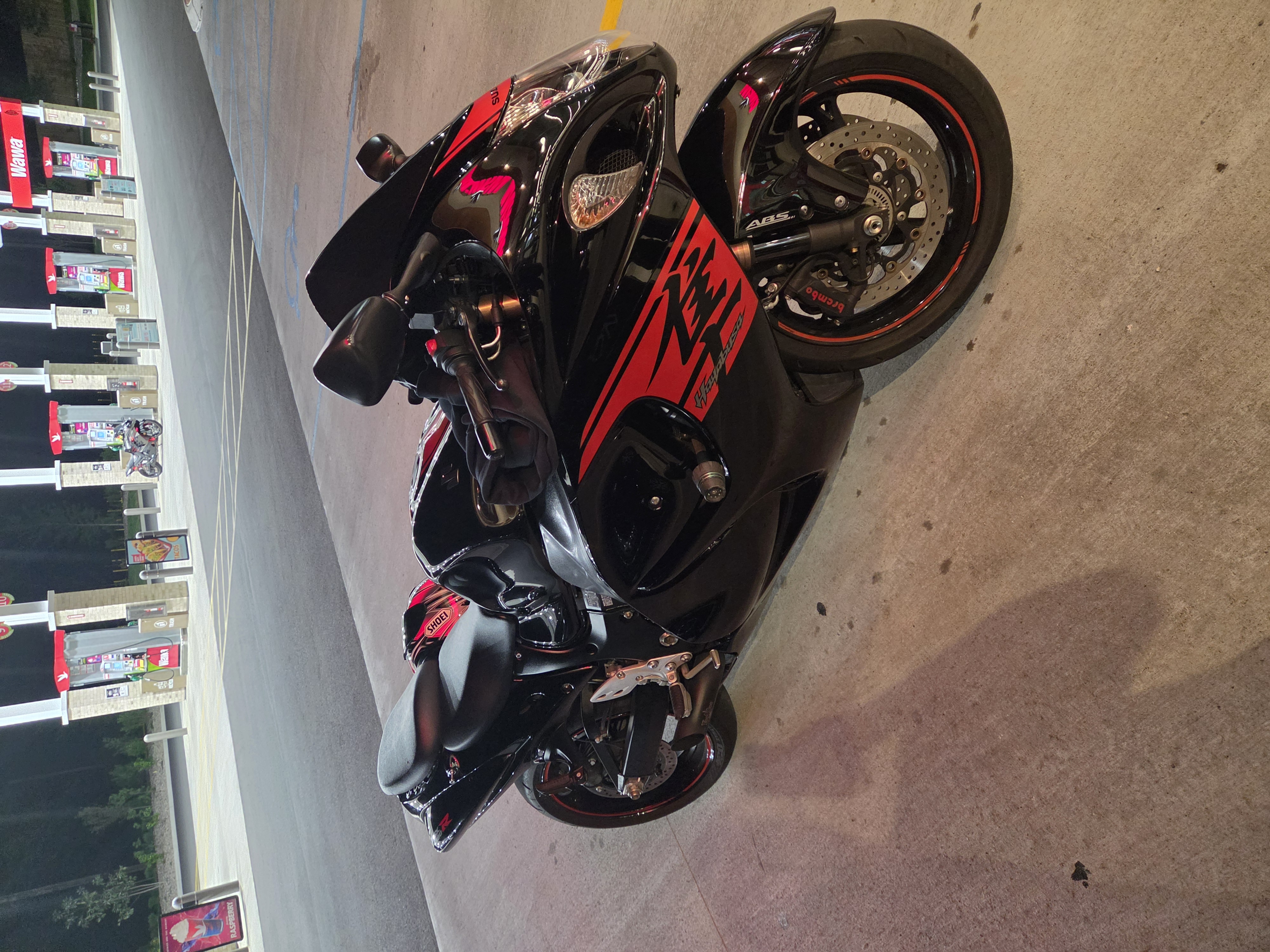
Suzuki’s flagship hypersport motorcycle was introduced to the market in 1999 after being unveiled in Europe in 1998, and it quickly became one of the most recognizable performance bikes in the world. The nameplate was inspired by the Japanese peregrine falcon, reflecting the model’s emphasis on speed, aerodynamics, and a striking, purposeful design. From the beginning, it was positioned as an “ultimate sport” machine for the street rather than a racetrack-only special, which helped it stand apart from other high-performance motorcycles of its era.
The original generation established the Hayabusa’s identity with its distinctive bodywork and strong straight-line performance, and it earned an immediate reputation as Suzuki’s global halo bike. A second generation arrived in the late 2000s, refining the concept while keeping the model’s core character intact. That update marked the next major era for the nameplate and broadened its appeal with more modern rider-focused technology and chassis development.
In 2021, Suzuki launched a third generation that represented another full redesign rather than a temporary revival. This latest era updated the Hayabusa for modern expectations while preserving the model’s iconic silhouette and flagship status. Over time, the nameplate has remained closely associated with Suzuki’s high-performance image, enthusiast culture, and the idea of a premium, long-running sportbike that evolved through distinct generations without disappearing from the market.